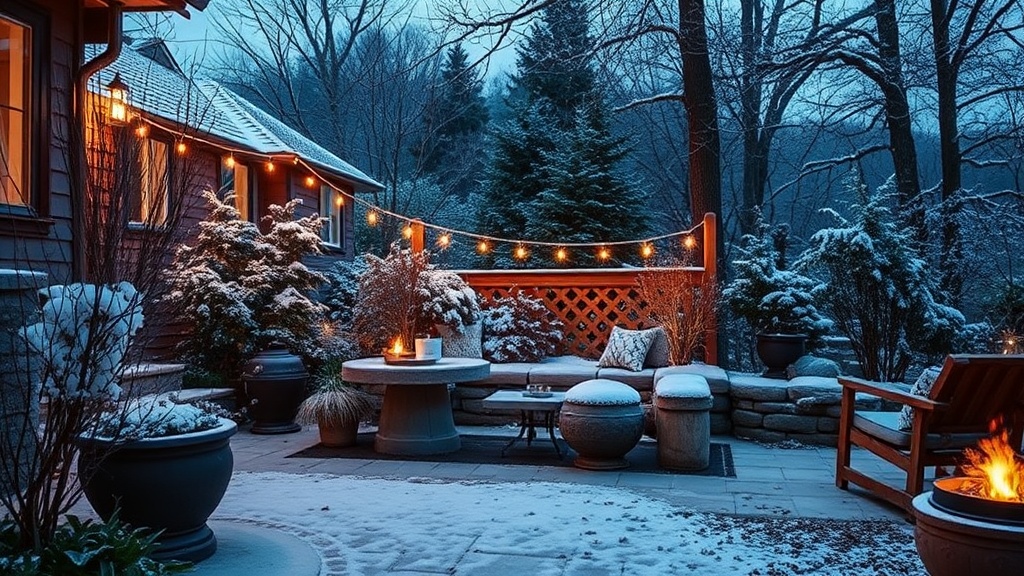
Preparing Your Backyard for a Riverside South Winter

A single frost event in the Ottawa Valley can drop temperatures by 15 degrees Celsius in just a few hours, often catching homeowners off guard. Preparing your outdoor space for a Riverside South winter means protecting your investments from the heavy snow loads and extreme freeze-thaw cycles typical of our corner of Ontario. This guide covers everything from plant protection and deck maintenance to winterizing your irrigation systems so you aren't stuck with a massive repair bill in April.
How Do I Winterize My Garden Plants?
The best way to winterize garden plants is to mulch them heavily and protect tender perennials from the harsh Ottawa wind. In our part of the world, the wind chill from a January gale can be much deader than the actual temperature, stripping moisture from your soil and roots.
If you have perennials that aren't quite hardy enough for a Southern Ontario winter, you'll want to act before the first hard frost hits. I've seen many neighbors lose their beautiful hydrangeas because they didn't realize how deep the frost line goes here.
- Mulching: Apply a 3-to-4-inch layer of wood chips or straw around the base of your plants. This acts as an insulator for the soil.
- The "Frost Blanket" Method: For more sensitive shrubs, use burlap wraps. Don't use plastic directly against the plant—it traps moisture and can actually cause rot.
- Watering: It sounds counterintuitive, but water your plants deeply one last time before the ground freezes. Thirsty plants are more susceptible to winter kill.
If you followed my previous advice on setting up your home garden in Riverside South, you likely have a variety of vegetables or flowers that need extra care right now. Don't let your hard work go to waste just because the temperature is dropping.
How Can I Protect My Deck and Patio Furniture?
Protect your deck and furniture by cleaning them thoroughly and storing them in a shed, garage, or under heavy-duty waterproof covers. Leaving debris on your wooden surfaces through the winter can lead to mold and wood rot during the spring thaw.
I noticed a few people in the neighborhood leaving their high-end Adirondack chairs out on the patio last year. That was a mistake. The weight of the snow—and the subsequent melting—can warp wood and ruin fabric.
Here is a quick checklist for your outdoor furniture:
- Clean: Use a mild soap and water solution to remove any bird droppings or leftover organic matter.
- Dry: Ensure everything is bone-dry before covering it. Moisture trapped under a cover is a recipe for mildew.
- Store: If you have a heavy metal or wooden table, move it to the garage. If it stays outside, use a cover specifically designed for the elements, like those from Sunbrella.
- Check the Fasteners: Check your deck screws and railings. If anything feels loose, tighten it now before the wood expands and contracts with the freezing temperatures.
The weight of Ontario snow is no joke. A heavy accumulation can bend even sturdy metal frames if they aren't positioned correctly.
What Is the Best Way to Winterize Outdoor Faucets?
To winterize outdoor faucets, you must shut off the interior water supply, drain the lines, and use a frost-proof hose bib or a specialized insulated cover. If you leave water in the pipes, the expansion of freezing water will crack your plumbing, which is a nightmare to fix in the middle of January.
This is where many people in Riverside South run into trouble. You might think just disconnecting the hose is enough. It isn't.
Follow these steps to avoid a burst pipe:
| Step | Action | Why It Matters |
|---|---|---|
| 1 | Shut off the water | Stops water flow to the exterior. |
| 2 | ||
| 3 | Drain the hose | Prevents ice buildup in the hose itself. |
| 4 | Install a cover | Provides an extra layer of thermal protection. |
Actually, let's be specific. If you have a standard spigot, you should buy a dedicated frost-proof faucet cover or a heated faucet kit. These are inexpensive and can save you hundreds in plumbing-related repairs. It's much better to spend $20 now than $500 on a plumber in February.
Worth noting: If you have an irrigation system, do not attempt to drain it yourself unless you have the proper equipment. Most professional installers recommend a professional "blow-out" using an air compressor to ensure every drop of water is out of the lines. If you try to do it yourself without high-pressure air, you might leave a small pocket of water that will freeze and crack your pipes.
How Much Does it Cost to Winterize a Backyard?
The cost of winterizing varies from $0 for basic tasks like moving furniture to several hundred dollars for professional irrigation blow-outs or specialized covers. Most of the work is actually free if you are willing to do the labor yourself.
If you are looking at professional services, here is a rough breakdown of what you might expect to pay in the Ottawa area:
- Hose Bib/Faucet Covers: $15 - $30 per unit.
- Professional Irrigation Blow-out: $75 - $150 depending on the size of your yard.
- High-Quality Furniture Covers: $40 - $120 (brands like Duck Covers are reliable).
- Heavy-Duty Mulch: $5 - $10 per bag.
The catch? Doing nothing is the most expensive option. A single frozen pipe can lead to water damage inside your basement or a massive bill from a plumber. I've heard too many stories from neighbors about the "emergency" calls they had to make when the first deep freeze hit in late November.
It's also a good idea to check your local municipal guidelines regarding snow piling. If you have a large pile of dirt or landscaping material in your backyard, ensure it isn't obstructing any drainage areas. When the snow melts, you don't want that material washing into the street or your neighbor's yard.
Make sure your gutters are clear of leaves before the snow starts. If your gutters are clogged, the melting snow will create ice dams. These can cause water to back up under your shingles and into your home's structure. It's a simple fix that prevents a massive headache later.
If you're feeling the winter blues already, remember that there are still plenty of things to enjoy locally. Once you've finished your chores, you might want to check out the best things to do in Riverside South this weekend to keep your spirits up while the temperature drops.
Take your time with these tasks. It's better to spend a Saturday morning doing it right than to spend a Monday morning dealing with a flooded basement or a dead garden. The weather in the Ottawa Valley doesn't play around, and neither should your backyard preparation.
Steps
- 1
Clean and Drain Garden Hoses
- 2
Protect Perennials and Plants
- 3
Winterize Outdoor Faucets
- 4
Store Patio Furniture and Equipment